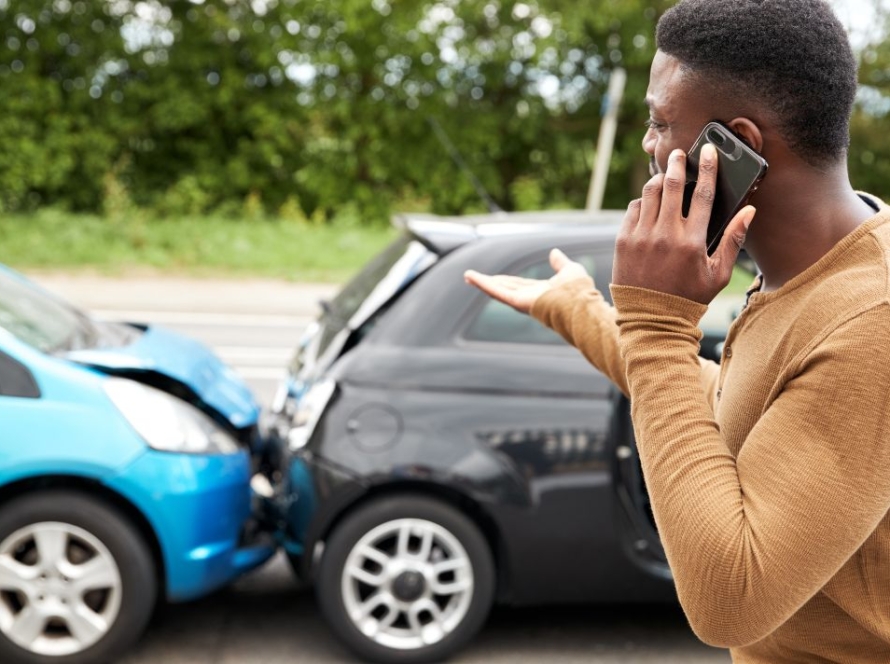

If you’ve been in a car accident, you might be asking: Can you claim a car accident without a police report? The answer is yes, you can file an insurance claim or pursue a legal case without a police report in most places—it’s not a strict requirement. However, whether it’s smooth sailing or an uphill battle depends on your state’s laws, your insurance policy, and the evidence you can provide. In Virginia, for example, the rules and risks take on a specific flavor. Let’s break it down to see how it works, starting with the Old Dominion’s approach.
Do You Always Need a Police Report in Virginia?
In Virginia, you’re not legally required to call the police for every car accident. According to Virginia Code § 46.2-894, drivers must report an accident to law enforcement only if it involves:
- Injury or death, or
- Property damage exceeding $1,500 (including damage to all vehicles or property involved).
If the accident is minor—say, a fender bender with no injuries and damage under $1,500—you’re not obligated to get a police report. However, even in these cases, many people call the police for documentation. So, what happens if you don’t?
Filing an Insurance Claim Without a Police Report
Yes, you can file an insurance claim without a police report in Virginia. Insurance companies don’t strictly require one to process a claim, but they rely heavily on evidence to determine fault and damages. Without a police report, you’ll need to provide other proof, such as:
- Photos: Pictures of the accident scene, vehicle damage, and road conditions.
- Witness statements: Contact info and accounts from anyone who saw the crash.
- Your own statement: A detailed description of what happened, including date, time, and location.
- Repair estimates: Documentation of damage costs.
For example, if you rear-end someone in Richmond and there’s no police report, your insurer might ask for photos showing skid marks or the other driver’s taillights to assess fault. Without a police report’s official narrative, the process can take longer, and disputes over who’s at fault might increase.
Virginia’s At-Fault Rules and Why Evidence Matters
Virginia is an at-fault state, meaning the driver responsible for the accident covers the damages—either through their insurance or out of pocket. It also follows a contributory negligence rule (Virginia Code § 8.01-34), which is brutal: if you’re even 1% at fault, you can’t recover damages from the other party. Without a police report to establish fault, insurance companies or courts rely on whatever evidence you provide. If the other driver claims you were speeding in Virginia Beach and there’s no report to counter that, you could be stuck paying for everything.
When You Might Need a Lawsuit
If your insurance claim is denied or the damages exceed policy limits, you might sue the other driver. In Virginia, you can still pursue a personal injury or property damage lawsuit without a police report. However, the lack of one shifts the burden to you to prove:
- The other driver was at fault,
- You weren’t contributorily negligent, and
- The extent of your damages (medical bills, car repairs, etc.).
A judge or jury in a Virginia courtroom—like in Fairfax or Norfolk—will weigh your evidence against the other side’s. Dashcam footage, traffic camera recordings, or even cell phone records could become critical without that official police documentation.
Pros and Cons of Skipping the Police Report
- Pros: Saves time for minor accidents; avoids potential legal scrutiny (e.g., if you were driving without a valid license, though that’s risky).
- Cons: Harder to prove fault; insurers might lowball your claim; legal battles get tougher.
Virginia-Specific Tip: File a Crash Report Yourself
If the police don’t respond or you don’t call them, Virginia law allows you to file a crash report directly with the Department of Motor Vehicles (DMV) using Form FR-300. You must do this within 24 hours if the accident meets the reporting threshold ($1,500+ in damage or any injury). While this isn’t a police report, it’s an official record that can support your claim.
In Virginia, you can claim a car accident without a police report, whether it’s with your insurer or in court. But without that official document, you’ll need solid evidence to back up your story—especially given Virginia’s strict contributory negligence laws. For minor accidents, it’s doable; for serious ones, skipping the police report could cost you.
Need Help With Your Claim? Contact Marquis Law Group
Struggling to file a claim or prove your case after a car accident in Virginia? A car accident lawyer from Marquis Law Group can help you gather evidence, navigate insurance disputes, and fight for the compensation you deserve—police report or not. Contact Marquis Law Group today for a consultation—let us take the wheel for you!